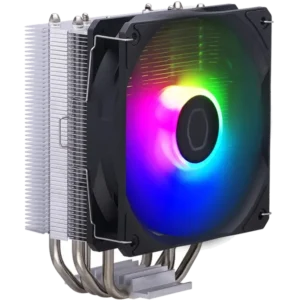
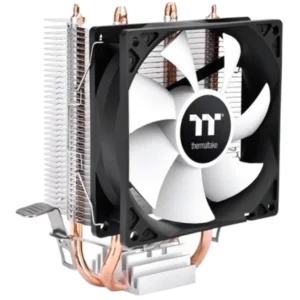
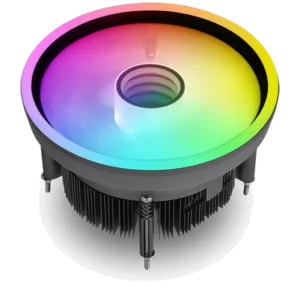
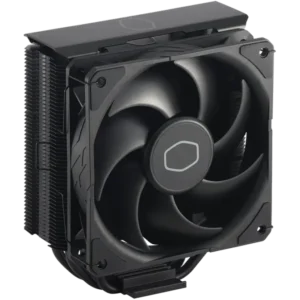
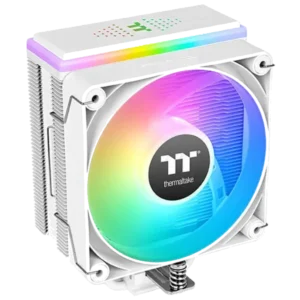
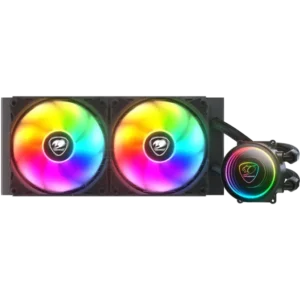
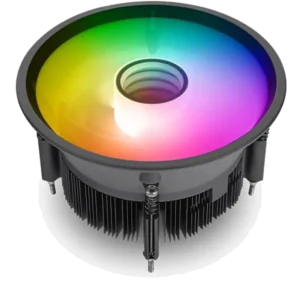
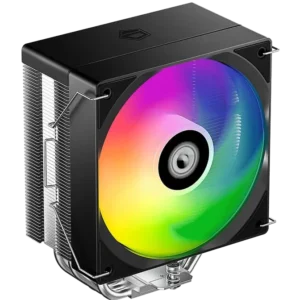
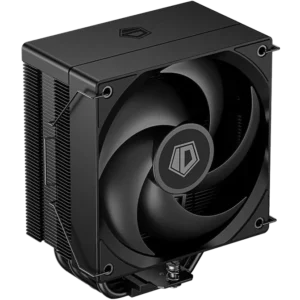
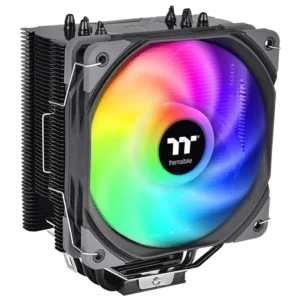
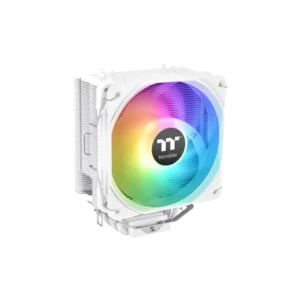
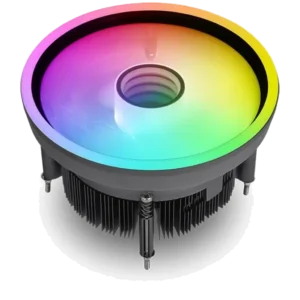
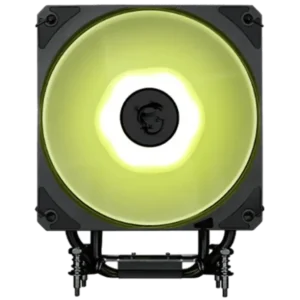
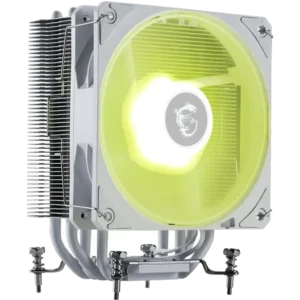
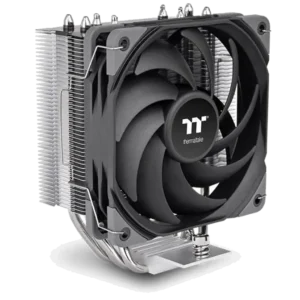
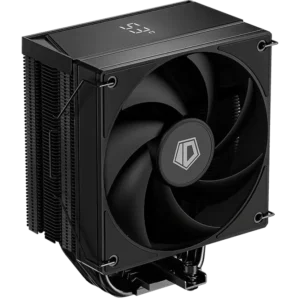
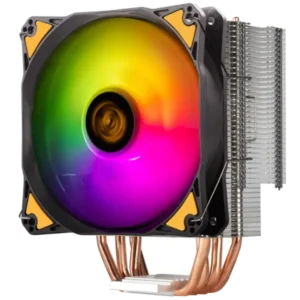
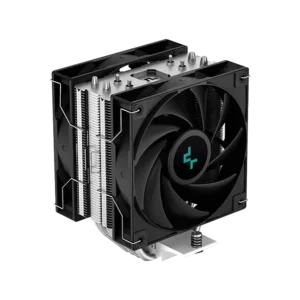
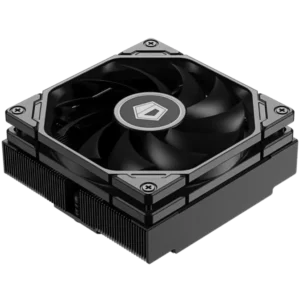
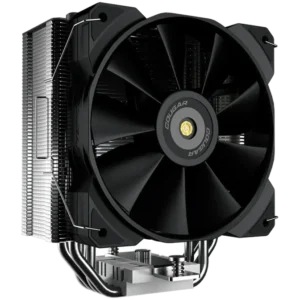
A CPU Cooler is essential for any computer, allowing the CPU to release the heat it generates while working. CPU Coolers will sometimes be packaged with lower end CPUs, however for more intensive use, or for higher-end CPUs, these coolers are either insufficient or not provided. In which case, getting a dedicated CPU cooler will be absolutely necessary.
Show More
There are 2 primary styles of cooler in use today, air coolers (sometimes called “tower coolers’) and liquid coolers (sometimes called an “AIO” or “All-In-One”).
Air Coolers: As described, air coolers primarily cool via airflow, using fans to push air through a heatsink, cooling down the CPU. Air coolers are generally easier to install and easier to repair, but compared to liquid coolers, will often be louder and perform worse on high-end CPUs.
Liquid Coolers: Also known as AIOs, liquid coolers utilise a radiator to expel heat. This is done by pumping liquid through a loop from the CPU to a radiator mounted on the case, fans will then push air through the radiator, expelling the heat. These coolers will generally be much quieter, as they require less airflow to cool efficiently, and are on average much better at cooling than air coolers, making them essential for intensive use, or high end CPUs.
Ensuring Compatibility: It can be difficult to ensure that a CPU cooler will be compatible with a given system, especially since different factors will affect different styles of cooler, below are a few things to look out for:
- Cooler Clearance (for air coolers): Cooler clearance refers to the height of the CPU cooler, its important to ensure that your case has a higher cooler clearance than the height of your CPU cooler.
- Radiator Size (for liquid coolers): this refers to the size of the radiator attached to the liquid cooler, ranging from 120mm to 420mm. its important to ensure that your case has compatibility for the specific size of radiator you need. for example, a case that can fit a 360mm radiator will not necessarily fit a 280mm radiator.
- Cooler Socket: The cooler socket/bracket will be the same as the CPU socket, and refers to the mounting hardware included with the cooler. Its important to make sure your cooler has a bracket that matches your CPU socket, i.e. an AM5 bracket for an AM5 CPU.